 Comparison
Reiki Healing Therapy: What It Is and How It Works
Last Updated: October 23, 2026
Quick Summary
Reiki healing therapy is a Japanese healing practice that uses gentle hand placements to help balance and restore the flow of universal life force energy in your body, supporting relaxation, emotional balance and nervous system calm. It complements but does not replace medical care or mental health treatment.
- A Reiki session typically lasts between 45 minutes and an hour, with you lying fully clothed on a massage table while the practitioner moves through different hand positions.
- Reiki may help interrupt anxiety patterns by signalling to your nervous system that it's safe to rest, shifting you from fight or flight into a state of calm.
- After a Reiki session, avoid rushing into high-stress activities, stay hydrated, and give your body time to rest and integrate the experience.
- A qualified Reiki practitioner will have completed formal training through different levels and should be able to explain their experience and approach clearly.
Table of Contents
- What Reiki Healing Therapy Is
- How Reiki Healing Works: Energy Flow and Balance
- What to Expect During a Reiki Session
- Reiki for Anxiety: How It May Support Your Nervous System
- Reiki and Grief Support: Holding Space for Loss
- What to Avoid After Reiki: Caring for Yourself After a Session
- Finding a Qualified Reiki Practitioner and Understanding Limitations
- Reiki as a Complement, Not a Substitute
- Frequently Asked Questions
What Reiki Healing Therapy Is
When you're navigating chronic illness, grief or a major life transition, your body often carries the weight of it all. You might feel stuck, disconnected or simply exhausted in ways that rest alone doesn't touch. This is where Reiki healing therapy comes in, a Japanese healing practice that works with energy to support relaxation, emotional balance and a sense of reconnection with yourself.
Reiki is a form of energy healing based on the idea that universal life force energy flows through all living things. A practitioner uses gentle hand placements to help balance and restore the flow of this energy in your body. It's not about faith or belief in a particular spiritual system; many people find Reiki helpful simply as a way to slow down, feel held and access their own capacity for calm.
At The Vitality Seeker, I've supported many people through Reiki sessions as part of their journey with chronic illness, grief and life changes. Reiki healing therapy is an invitation to pause, to be witnessed, and to let your nervous system settle, which, in itself, can be deeply restorative.
How Reiki Healing Works: Energy Flow and Balance
The foundation of Reiki healing therapy rests on the concept of energy flow. In traditional Japanese practice, this universal energy is called ki. When this energy is blocked, depleted or stagnant, you might feel emotionally stuck, physically tense or spiritually disconnected.
A Reiki practitioner works with the intention of clearing blockages and restoring balance to your energy system. During a session, they place their hands lightly on or just above different parts of your body, your head, chest, abdomen, limbs, allowing energy to flow where it's needed most.
This is different from many other healing modalities. Unlike massage, which works with physical muscle and tissue, Reiki healing therapy works with what many describe as the body's energetic or subtle anatomy. Some people feel warmth, tingling or deep relaxation during a session.
The nervous system connection is worth mentioning here. When you're in a state of chronic stress, whether from illness, grief or anxiety, your nervous system stays in a heightened state of alert (pubmed.ncbi.nlm.nih.gov). Reiki healing therapy may help signal to your body that it's safe to rest.
What to Expect During a Reiki Session
Walking into a Reiki session for the first time can feel uncertain if you don't know what happens. Here's what a typical experience looks like.
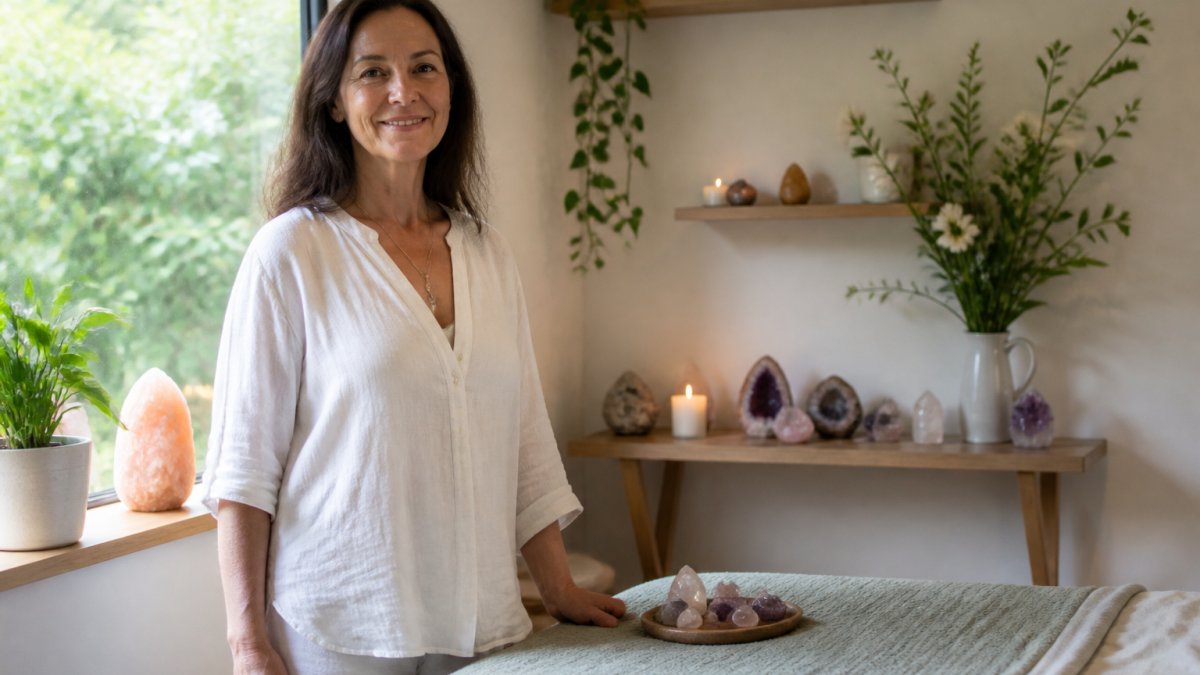
You'll usually be invited to lie fully clothed on a massage table in a quiet, dimly lit room. The space is designed to feel safe and calm, soft music, gentle lighting, perhaps the scent of essential oils.
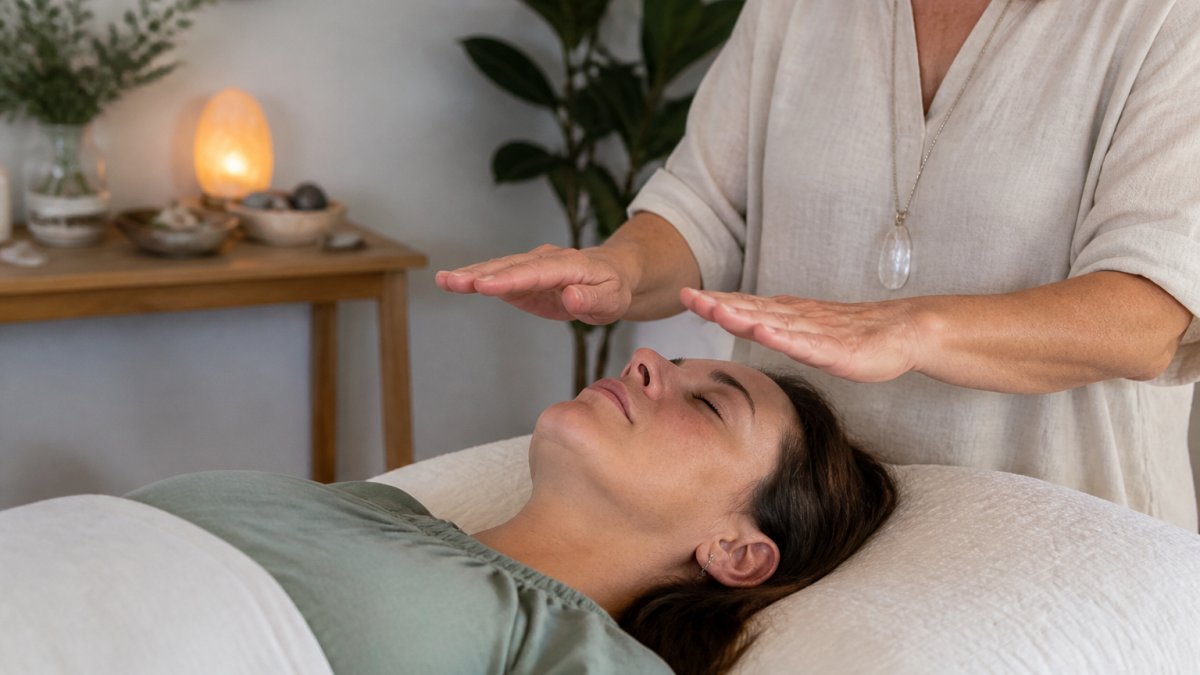
Once you're settled, the practitioner will begin with their hands positioned above your head or on your shoulders.
A typical session lasts between 45 minutes and an hour. Many people find it deeply relaxing. Some cry, process emotions or have insights during the session. Others simply feel a profound sense of peace.
The beauty of a Reiki Treatment is that it asks nothing of you except to show up and receive.
Reiki for Anxiety: How It May Support Your Nervous System
If you live with anxiety, you know how it can grip your chest, quicken your breath and pull you into worry loops that feel impossible to escape. Anxiety often lives in the body as much as the mind, tension, shallow breathing, a sense of being constantly on guard.
Reiki healing therapy may help interrupt this pattern. By creating a deeply relaxed state, a Reiki session signals to your nervous system that the threat has passed.
Many people find that regular Reiki sessions help them feel less reactive to everyday stressors. They sleep better, feel less muscle tension and notice they're able to pause before reacting to triggers. Some describe it as a reset button for their anxious system.
If you're managing anxiety alongside other health conditions, Reiki healing therapy can be a gentle complement to other support you're receiving. It's not a substitute for therapy or medical care, but it can work beautifully alongside them, offering your body a chance to experience what calm feels like, which your anxious nervous system may have forgotten.
Reiki and Grief Support: Holding Space for Loss
Grief is not a problem to be solved. It's a natural response to loss, whether that's the death of someone close to you, the loss of your health, or the life you thought you'd have. Yet grief can feel isolating, overwhelming and sometimes too big for words.
Reiki healing therapy offers something grief often needs: a space to simply be with what you're feeling without needing to explain it, fix it or move past it. During a Reiki session, you're held in a safe, non-judgmental space. Your practitioner isn't trying to make you feel better or cheer you up.
I've sat with many people in their grief through Reiki sessions. Grief stored in the body, in tightness, numbness or disconnection, can begin to move and release when given permission and space. Some people cry during sessions.
Reiki healing therapy doesn't take away grief, and it shouldn't. But it may help you feel less alone in it. It can support you in reconnecting with your own strength and resilience while you're grieving.
What to Avoid After Reiki: Caring for Yourself After a Session
After a Reiki healing therapy session, your body is in a deeply relaxed state. Your nervous system has shifted into a parasympathetic (rest) mode.
In the hours after your session, avoid rushing back into high-stress activities. If possible, keep your schedule light. Your body is processing and integrating energy shifts; giving it time to rest allows this work to deepen.
Stay hydrated. Drink plenty of water after your session. Reiki healing therapy can support the body's natural detoxification process, and water helps this along. Some practitioners suggest avoiding heavy meals immediately after, opting instead for light, nourishing food.
Be gentle with your emotions. You might feel emotional clarity, sadness, joy or a mix of feelings in the days after a session. This is part of the integration process. Rather than pushing these feelings away, allow them to move through you.
Avoid alcohol and recreational drugs for at least 24 hours after your session, as these can interfere with the settling and integration of your nervous system. Similarly, limit screen time and stimulating activities if you can, your system benefits from the quietness.
Finding a Qualified Reiki Practitioner and Understanding Limitations
Not all Reiki practitioners are equally trained or experienced. If you're considering Reiki healing therapy, it's worth understanding what qualifications and credentials matter.
A qualified Reiki practitioner will have completed formal training in Reiki, typically progressing through levels (often called First Degree, Second Degree and Master level).
Ask your practitioner about their experience, especially if you're navigating specific health conditions or trauma. Someone experienced in working with chronic illness will understand the unique challenges of living with ongoing health conditions.
It's also important to understand what Reiki healing therapy can and cannot do. Reiki is not a medical treatment and cannot diagnose, cure or treat disease. It's a complementary practice, something that works alongside medical care, not instead of it.
Reiki healing therapy is best understood as a support for relaxation, emotional processing and nervous system balance. It may help you feel more resourced and resilient as you navigate health challenges, but it's not a substitute for professional medical or mental health care.
Reiki as a Complement, Not a Substitute
Here's what matters most: Reiki healing therapy works best when it's part of a broader approach to your wellbeing, not as a replacement for other support you need.
If you're managing a chronic illness, you need your medical team. If you're experiencing depression, anxiety or trauma, you need a qualified mental health professional.
The integration of different healing modalities, conventional medicine, mental health care, and complementary practices like Reiki, often creates the most sustainable path forward. Each brings something different to the table. Your GP addresses physical symptoms. Your therapist helps you process emotions and patterns. Reiki healing therapy supports your nervous system and creates space for integration and self-reconnection.
At The Vitality Seeker, this is how I approach working with people. Reiki is one thread in a larger tapestry of support. It's offered with deep respect for your own knowing about what you need, without pressure to believe in anything or change who you are.
Frequently Asked Questions
What is Reiki healing therapy?
Reiki healing therapy is a Japanese practice based on the idea that universal energy can support relaxation and wellbeing. A practitioner places their hands lightly on or near your body to channel this energy. Many people find it calming and grounding. Reiki is not a substitute for medical or mental health care, but some find it a helpful complement to their overall support.
Can Reiki help with anxiety?
Some people find Reiki sessions supportive for anxiety. The practice aims to calm the nervous system and promote a sense of balance. During a session, many clients experience deep relaxation, which may ease tension in the body and mind. If you're managing anxiety, Reiki may feel helpful alongside other support such as counselling or medical care. Everyone's experience is different.
What should you avoid after Reiki?
After a Reiki session, many practitioners suggest resting, drinking water, and avoiding strenuous activity for a few hours. Some people feel energised; others feel deeply relaxed. Honour what your body needs. Avoid making major decisions or pushing yourself physically immediately after, and give yourself time to integrate the experience. Listen to your own sense of what feels right for you.
What happens during a Reiki session?
You'll typically lie or sit in a comfortable position in a calm space. The practitioner places their hands lightly on or above your body, often starting at your head and moving down. Sessions usually last 30 to 60 minutes. You may feel warmth, tingling, or simply deep calm. Some people drift into a meditative state. Afterwards, many feel relaxed and grounded, though experiences vary.
Is Reiki a substitute for medical or mental health care?
No. Reiki is a complementary practice and should not replace medical treatment, counselling, or mental health care. If you're experiencing physical symptoms, anxiety, depression, or grief, speak with a qualified health professional. Reiki may feel supportive alongside other care, but it is not a treatment for medical or psychological conditions.
If you're curious about exploring Reiki healing therapy as part of your healing journey, I'd love to connect. Whether you're navigating chronic illness, grief, anxiety or simply a sense of disconnection from yourself, there's space for you here. Reach out to The Vitality Seeker to learn more about how Reiki sessions might support you, or to discuss what kind of support feels right for where you are now.