 Ultimate guide
What Is Disenfranchised Grief and Why Your Loss Still Matters
Last Updated: November 21, 2026
Quick Summary
Disenfranchised grief is grief that society does not openly recognise, validate or support. The term, coined by grief researcher Kenneth J. Doka, describes loss that carries no public mourning role, no ritual, and often no permission to speak about it. The loss and emotional pain are real, what's missing is the social recognition that usually makes grief bearable.
- Recognised grief comes with scaffolding like funerals and leave; disenfranchised grief comes with none of that.
- Non-death losses such as divorce, job loss, migration and chronic illness get no ceremony and no shared story.
- Signs include feeling you have no right to be upset and apologising when you cry.
- Coping starts with taking your own loss seriously, you don't need anyone else's permission to grieve.
- Say "that sounds really hard" rather than "at least" when supporting someone's unrecognised loss.
Table of Contents
- What Is Disenfranchised Grief?
- How Disenfranchised Grief Differs from Recognised Grief
- Disenfranchised Grief Examples: The Losses Others Overlook
- Signs of Disenfranchised Grief to Watch For
- How to Cope with Disenfranchised Grief
- How to Support Someone Who Is Grieving an Unrecognised Loss
- When to Seek Professional Support
- Finding a Space Where Your Grief Is Believed
- Frequently Asked Questions
What Is Disenfranchised Grief?
Disenfranchised grief is grief that society does not openly recognise, validate or support. The term, coined by grief researcher Kenneth J.
You might be grieving a miscarriage, an estranged parent, a pet, a relationship that ended, or a death that came with stigma attached.
People often tell us they feel they have no right to be as upset as they are.
How Disenfranchised Grief Differs from Recognised Grief
Recognised grief comes with scaffolding. There's a funeral, leave from work, cards, casseroles, and a shared understanding of what you're going through.
The difference isn't the depth of the loss. It's the social permission to express it.
That silence compounds the emotional pain. Isolation and loneliness become part of the grief itself.
Disenfranchised Grief Examples: The Losses Others Overlook
Most articles on this topic give you a list. A list helps you recognise yourself, but it doesn't explain why the silence happens, and understanding that is often what lets you stop blaming yourself for struggling.
A useful way to organise disenfranchised grief is by what the loss is, and by why the people around you fail to count it. Most unrecognised losses fall into a few broad families.
Losses where the relationship isn't recognised
Some grief is minimised because the bond doesn't fit the expected template. This includes:
- Ex-partners and former spouses, especially where the relationship ended messily or others decided you should be "over it"
- Step-relationships, where your role in someone's life was real but the family tree says otherwise
- Carers, who may grieve the person they looked after while others treat the death as a relief or a release of duty
Estrangement deserves its own mention. You may be grieving the relationship you wished you'd had, the parent or sibling you needed, and the version of yourself that existed inside that family. The person being alive doesn't cancel any of that.
Losses where there is no death at all
Non-death losses get no ceremony, no leave from work, and no shared story. They include:
- Divorce and relationship breakdown, even when you were the one who ended it
- Job loss, redundancy, retirement, or leaving a career you built your identity around
- Migration and displacement, including grieving the country, language, community or version of yourself you left behind
With chronic illness in particular, the grief can be ongoing rather than a single event. You might grieve a capacity, adapt, and then grieve it again when it changes. That is not failure. It is what living with an unpredictable body can look like.
Losses where the death itself carries stigma
Some deaths are surrounded by judgement rather than compassion. Suicide, overdose, deaths connected to addiction, and deaths from illnesses others moralise about can leave mourners without permission to speak openly. People may avoid the topic, offer platitudes, or quietly imply the death was preventable or deserved.
Reproductive loss
Miscarriage, termination, stillbirth, infertility and the loss of a hoped-for pregnancy are frequently minimised. Others may not know the loss happened, may not consider it a "real" loss, or may rank it against other grief. The grief can be profound and entirely private, which is part of what makes it so isolating.
Pet loss
Companion animals are family for many people, and the depth of that bond is often dismissed with "it was just a dog" or "you can get another one." For someone living alone, or for whom a pet was a primary source of daily companionship, the loss can be enormous and the support almost nonexistent.
Ambiguous loss
Ambiguous loss, a term associated with researcher Pauline Boss, describes grief without closure. Someone may be physically present but psychologically absent, as with dementia or severe mental illness, or physically absent but psychologically present, as with a missing person or a migration separation. Because ambiguous loss offers no clear ending, the grieving process may unfold in ways that others do not recognize, yet the loss still deserves space and care.
Losses tied to identity and community
Culture, faith, age, sexuality, gender identity, disability and community norms all shape whose grief gets recognised. A loss that is deeply significant in your culture or community may be invisible to the wider world, and sometimes to your own family. A relationship that was central to your life may be unacknowledged because of who you are or who you loved.
Losses without a funeral
A non-death loss gets no ceremony. There's no gathering, no shared story, no collective acknowledgment that something ended.
Some people find it supportive to create their own quiet ritual: lighting a candle, writing a letter, or simply naming what changed. Adapt it however feels right, or skip it entirely.
Relationships Others Don't Count
Estrangement is a particularly lonely form of disenfranchised grief. The person is alive, so others assume there's nothing to grieve.
The same applies to ex-partners, stepchildren, and friends whose importance others underestimated. Attachment doesn't follow a family tree.
If this is your experience, our guide on how to cope with bereavement alone speaks directly to grieving a loss others don't recognise.
Most unrecognised losses fall into a few broad families, depending on what was lost and why others fail to count it.
| Type of loss | Examples | Why it goes unrecognised |
|---|---|---|
| Relationship not recognised | Ex-partners, step-relationships, carers, online friends, estranged family | Bond doesn't fit the expected template |
| No death at all | Divorce, job loss, migration, chronic illness, fertility loss | No ceremony, no leave, no shared story |
| Death carries stigma | Suicide, overdose, addiction-related deaths | Judgement rather than compassion |
| Reproductive loss | Miscarriage, termination, stillbirth, infertility | Frequently minimised or not considered a real loss |
| Pet loss | Companion animals | Dismissed with "it was just a dog" |
| Ambiguous loss | Dementia, severe mental illness, missing person | Grief without closure or clear ending |
| Identity and community | Culture, faith, sexuality, gender identity, disability | Invisible to the wider world |
Signs of Disenfranchised Grief to Watch For
The signs of disenfranchised grief often look quieter than conventional grief. Watch for feeling you have no right to be upset, or apologising when you cry.
Other common signs include shame about how much it hurts, withdrawing from your support network, and feeling misunderstood or excluded from collective mourning.
How to Cope with Disenfranchised Grief
Coping starts with one quiet act: taking your own loss seriously. You don't need anyone else's permission to grieve.

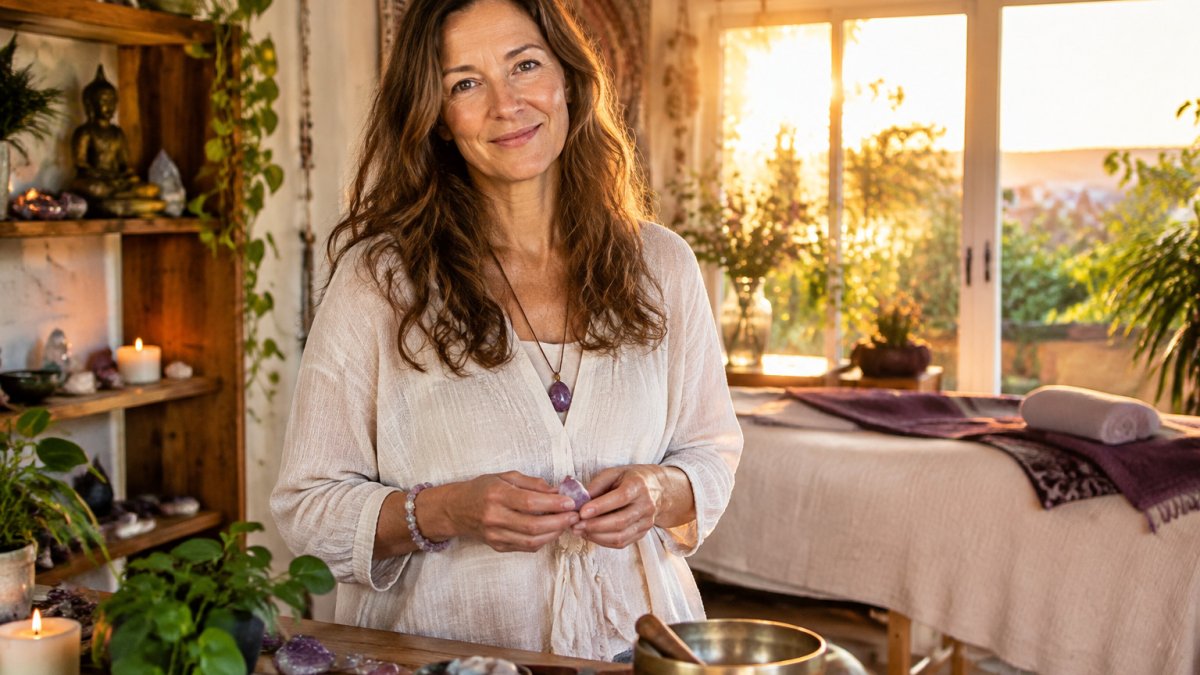
Reiki Treatment is another option some people find soothing for rest and reflection. It isn't a treatment for grief, and it doesn't replace medical or mental health care, but it can sit alongside them as a quiet, supportive practice.
Scripts for Explaining a Loss Others Don't See
You don't owe anyone a full explanation, but having a few phrases ready can take the sting out of the moment.
- For a brief mention: "I lost someone important to me recently. It's been harder than people expect."
- For a non-death loss: "I'm grieving something that didn't come with a funeral, but it still matters to me."
- For a relationship others question: "They mattered to me, and that's what I'm sitting with."
You can also decide in advance who gets the fuller version and who gets the short one. That is not dishonesty; it is protecting something tender.
Responding to Minimising Comments
People often say the wrong thing because they are uncomfortable, not because they don't care. You are still allowed to set a boundary.
- "At least..." comments: "I know you mean well, but I'd rather just sit with this than compare it."
- "You should be over it by now": "Grief doesn't run on a schedule, and this one is still with me."
- "It was just a pet / just a job / just an ex": "It wasn't just anything to me."
Watch out: if a relationship repeatedly leaves you feeling dismissed or ashamed of your grief, it is okay to reduce how much you share with that person.
Setting Boundaries Around Dates and Rituals
Anniversaries, due dates, birthdays and the anniversary of a diagnosis can be especially raw. You might plan something small for those days, a walk, a candle, a message to a trusted friend, or plan to do nothing at all. Letting one or two people know a date is coming can also help, so you are not carrying it alone.
Finding Validation and Support
Being believed is often the whole gift. Look for people and spaces where your loss is taken at face value: a trusted friend, a peer support group, a grief-informed counsellor, or a community that shares your experience. You may need to try a few before something fits, and that is normal.
Choosing Professional Support That Fits
If you decide to seek professional support, it helps to know what to look for. A GP is a reasonable first stop and can point you toward appropriate care.
A few questions worth asking:
- Do you work regularly with grief and loss?
- Are you comfortable supporting someone grieving a loss others don't recognise?
- What does a typical session look like?
You are allowed to assess whether a provider feels validating. Our comparison of grief counselling vs support groups walks through the difference.
How to Support Someone Who Is Grieving an Unrecognised Loss
You don't need the right words. You need to be the person who doesn't minimise it. Say "that sounds really hard" rather than "at least..." Try to avoid ranking their loss against others'.
Ask what they need, and accept "nothing" as an answer. Remember dates that matter to them. Being believed is often the whole gift.
When to Seek Professional Support
Reach out for professional support if grief is affecting your sleep, work, or daily functioning for weeks on end, or if you're feeling hopeless or unsafe (Grief and loss - the effects of grief and how to deal with it). A GP is a reasonable first stop, and they can point you toward appropriate care (Talking to your doctor (GP) about mental health).
Counselling and support groups offer different things, and it helps to know which you're choosing. Our comparison of grief counselling vs support groups walks through the difference.
Finding a Space Where Your Grief Is Believed
Unrecognised loss can leave you wondering whether you're allowed to feel this much. You are.
At The Vitality Seeker, Liz offers trauma-informed grief support alongside Reiki and crystal healing, in Kogarah, Cronulla, and by distance session. Our grief support services page explains how to find help that fits you.
If your loss has gone unseen, you don't have to keep proving it was real.
Frequently Asked Questions
What is disenfranchised grief?
Disenfranchised grief is loss that isn't openly acknowledged or socially supported. The term was coined by grief researcher Kenneth J. Doka to describe grief that others don't recognise as valid, whether because of the relationship, the type of loss, or the way someone mourns. You might feel you have no right to be sad, or sense that people expect you to move on quickly. The pain is real even when there's no public mourning to match it.
What are some disenfranchised grief examples?
Common examples include pet loss, miscarriage and reproductive loss, the death of an ex-partner, grief after estrangement, and ambiguous loss such as a loved one living with dementia. Non-death losses count too, like losing a job, a friendship, your health, or a sense of identity. Each involves real attachment and emotional pain, but the people around you may minimise it or not know it exists.
How can you cope with disenfranchised grief?
Start by naming the loss to yourself and allowing it to matter, even if no one else acknowledges it. Gentle practices like journaling, quiet reflection, or a small ritual can help you honour what you've lost. Nervous system care such as slow breathing, rest and time in nature may feel supportive. Connecting with a grief-informed counsellor or a support group can also reduce the isolation that comes with unacknowledged loss.
When might it help to speak with a counsellor about grief?
Consider reaching out if the grief is affecting your sleep, work or relationships for an extended period, or if you feel stuck, isolated or overwhelmed. A qualified counsellor can offer validation and practical support, especially when your loss hasn't been recognised by others. If you're having thoughts of harming yourself, contact Lifeline on 13 11 14 or speak with your GP straight away.